HGC type rotary grille decontamination machine
Working principle and structure
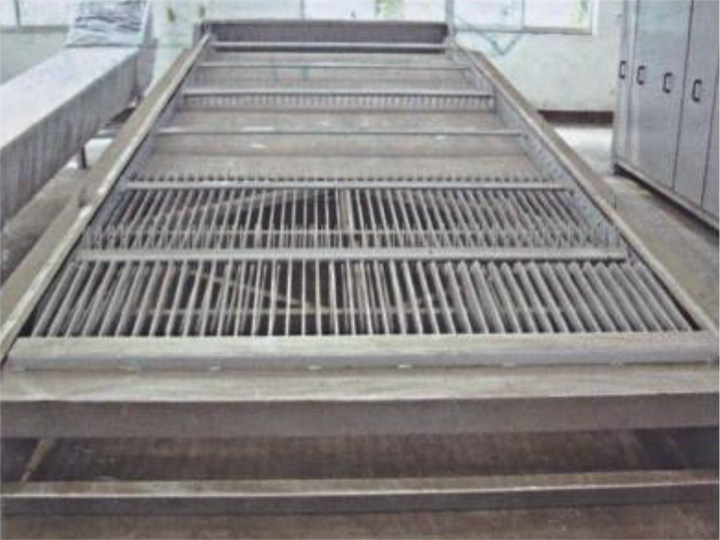
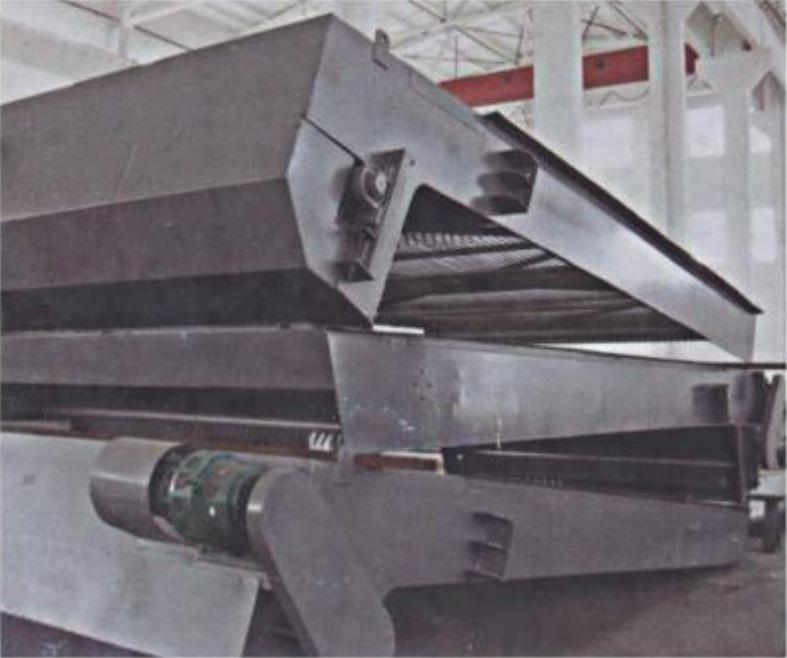
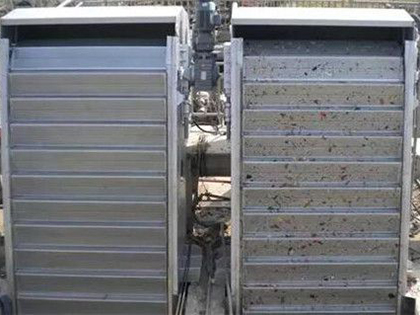
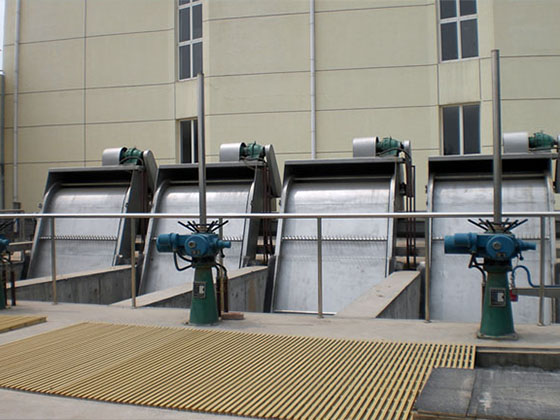
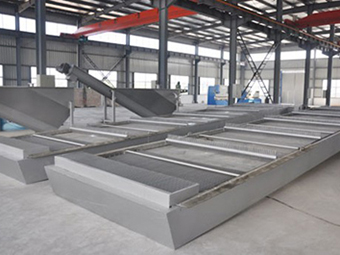
The reducer drives the sprocket to rotate the chain rake traction system, driving the tooth rake between the traction chains to run along with it. Since each tooth rake is inserted into the grid, it can effectively send the intercepted dirt to the upper position of the frame. When the tooth rake is rotating in the chain, the dirt is unloaded into the next process equipment by its own weight. A small amount of dirt stuck to the tooth rake is cleaned by a special cleaning mechanism. The rotary grille decontamination machine is mainly composed of a driving mechanism, a frame assembly, a transmission chain, a rake group, a grid, a bottom fence and other parts.
Features
1. The toothed rake moves downward behind the grate and upwards in front of the grate to scoop out slag, which will not bring the slag into the water and remove the slag thoroughly.
2. Fully enclosed transmission chain, no entanglement.
3. There are movable barriers under the water, and there are no dead spots for sedimentation at the bottom.
4. Mechanical and electrical double overload protection, safe and reliable.
5. Fully automatic electrical protection control. The automatic control method is time plus water level control. The PLC interface is reserved, which provides convenience for unmanned management.
6. Compact structure, buffering and slag discharge, and overload protection. The materials are exquisite, wear-resistant, reliable in operation, and can operate fully automatically.
7. The whole machine is supplied and is easy to install and debug. It is a widely used device among many grilles that are indispensable for various water sources.
Application scope
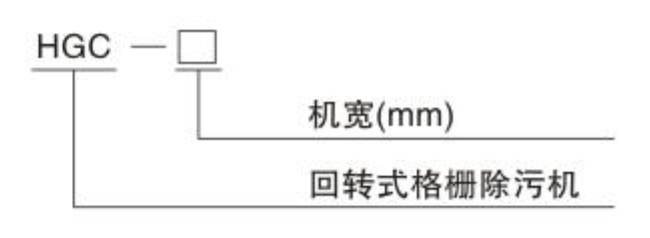
Model description
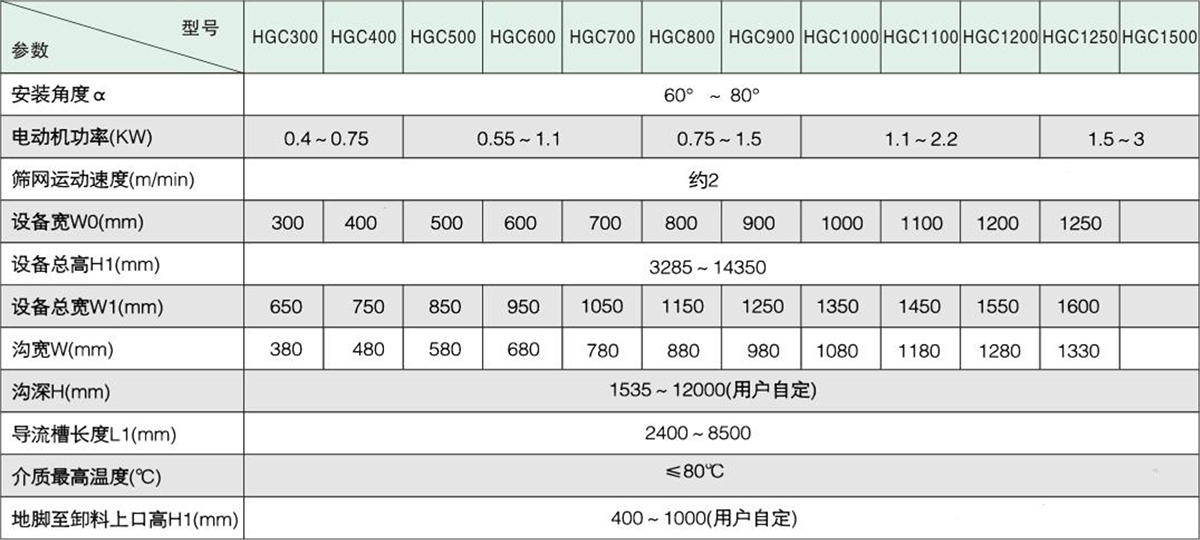
Technical parameters and installation dimensions
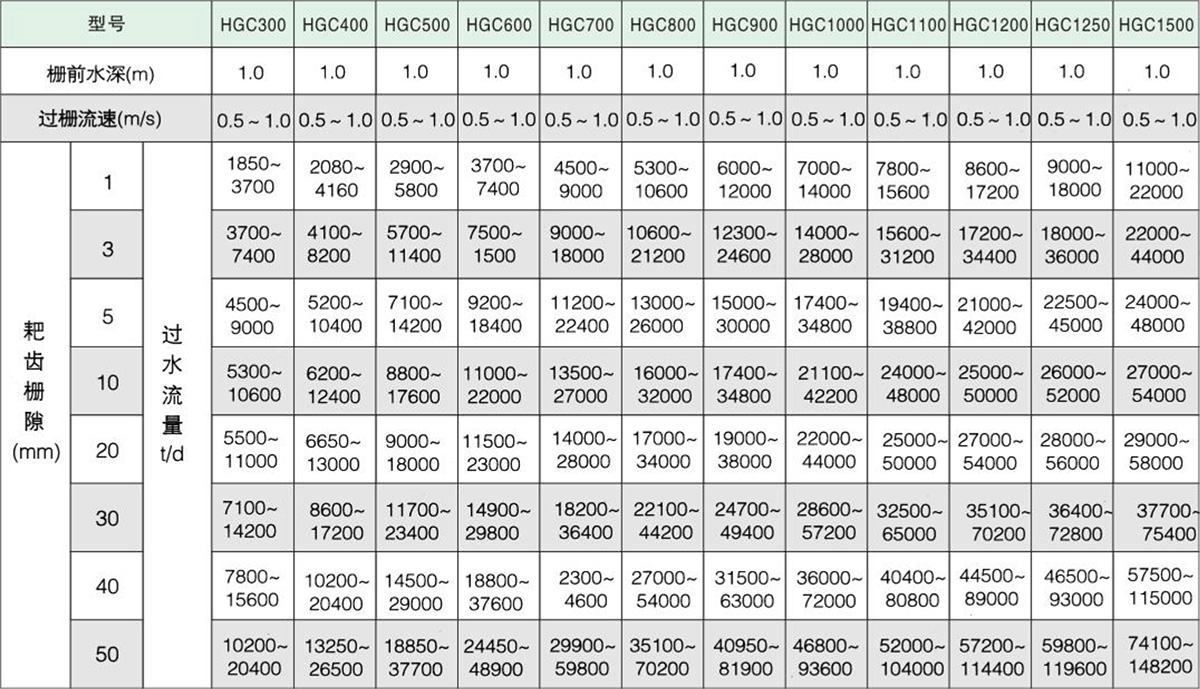
Water flow meter (the water flow rate of the parallel connection is calculated by multiplying this model by 2)
Ordering Instructions
1. Indicate the equipment model and specifications
2. Indicate the actual working conditions and grid gap
3. Special specifications, separately designed.